The best products often start with a builder solving their own problem. When you build for yourself, you have a built-in user, clear criteria for success, and a story others can feel.
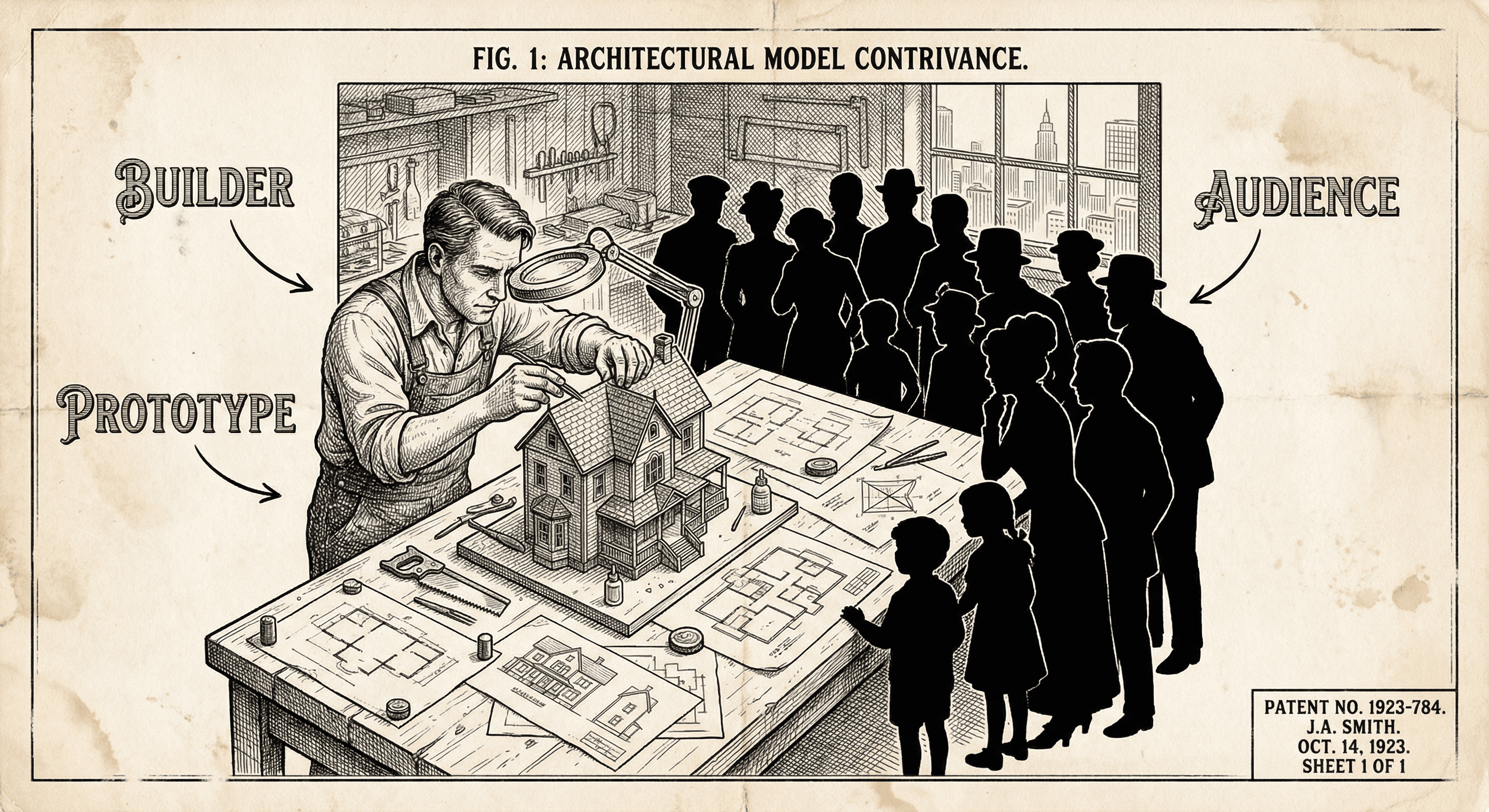
Some of the best products in the world started with a single person solving their own problem. They did not start with a spreadsheet of market size or a committee. They started with "I need this, it does not exist, so I will build it." When you build for yourself, you have a built-in user, a clear bar for quality, and a story that others can feel. And often, others will follow.
This post is for anyone who wonders whether their own frustration is "enough" to build a product — and how to turn "built for me" into "used by many."
You are the user. You do not have to guess what the user wants. You know the workflow, the pain, and what "good" looks like. Every time you use your own product, you get feedback. That loop is fast and honest — no need to schedule user interviews to know that something is annoying or missing.
You care. It is your problem. You are not building for a hypothetical persona; you are building for you. That makes it harder to give up when things get tedious and easier to keep improving because you feel the benefit every day.
You have a story. "I built this because I was frustrated with X" is credible. People can tell when a builder has lived the problem. That story helps with early users, with marketing, and with staying motivated.
You have a niche. You are not "everyone." You are a specific type of person with a specific workflow. That is a niche. And niches are where indie builders win — by serving people like them really well.
Building for yourself is a great start. It is not a guarantee that everyone will want it. Some problems are rare; some solutions are too personal. So:
So: build for yourself as the first user and the reference for quality, but stay open to the idea that there are more people like you. They will follow if the product is good and they can find it.
"Others will follow" does not mean "if you build it, they will come." It means:
So "follow" is not automatic. It is you building for yourself, using it, sharing it, and iterating so that others in your niche can adopt it too.
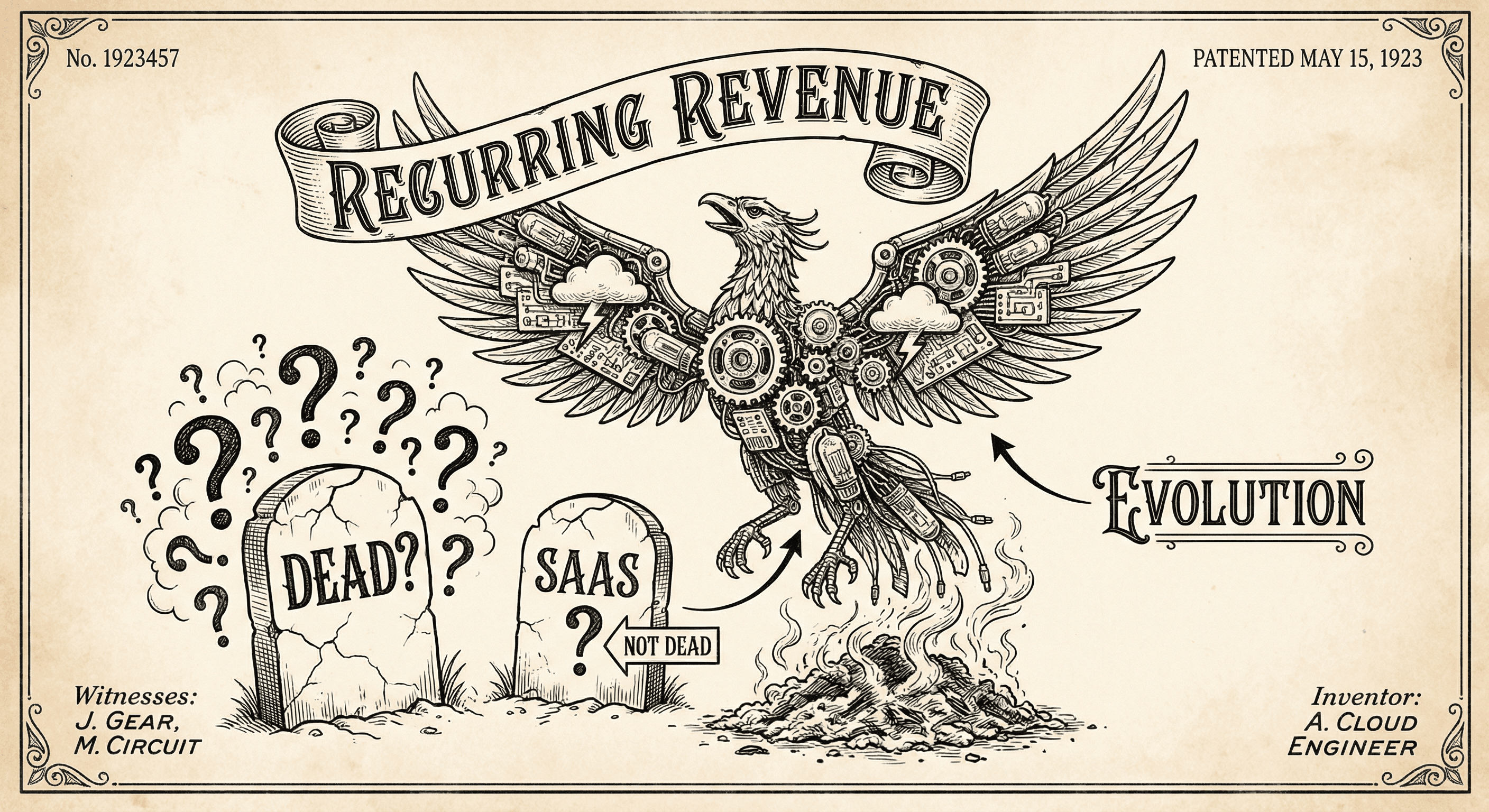
Reports of SaaS's death are exaggerated. Demand for focused, affordable software is stronger than ever — and indie builders are in a better position than ever to serve it.
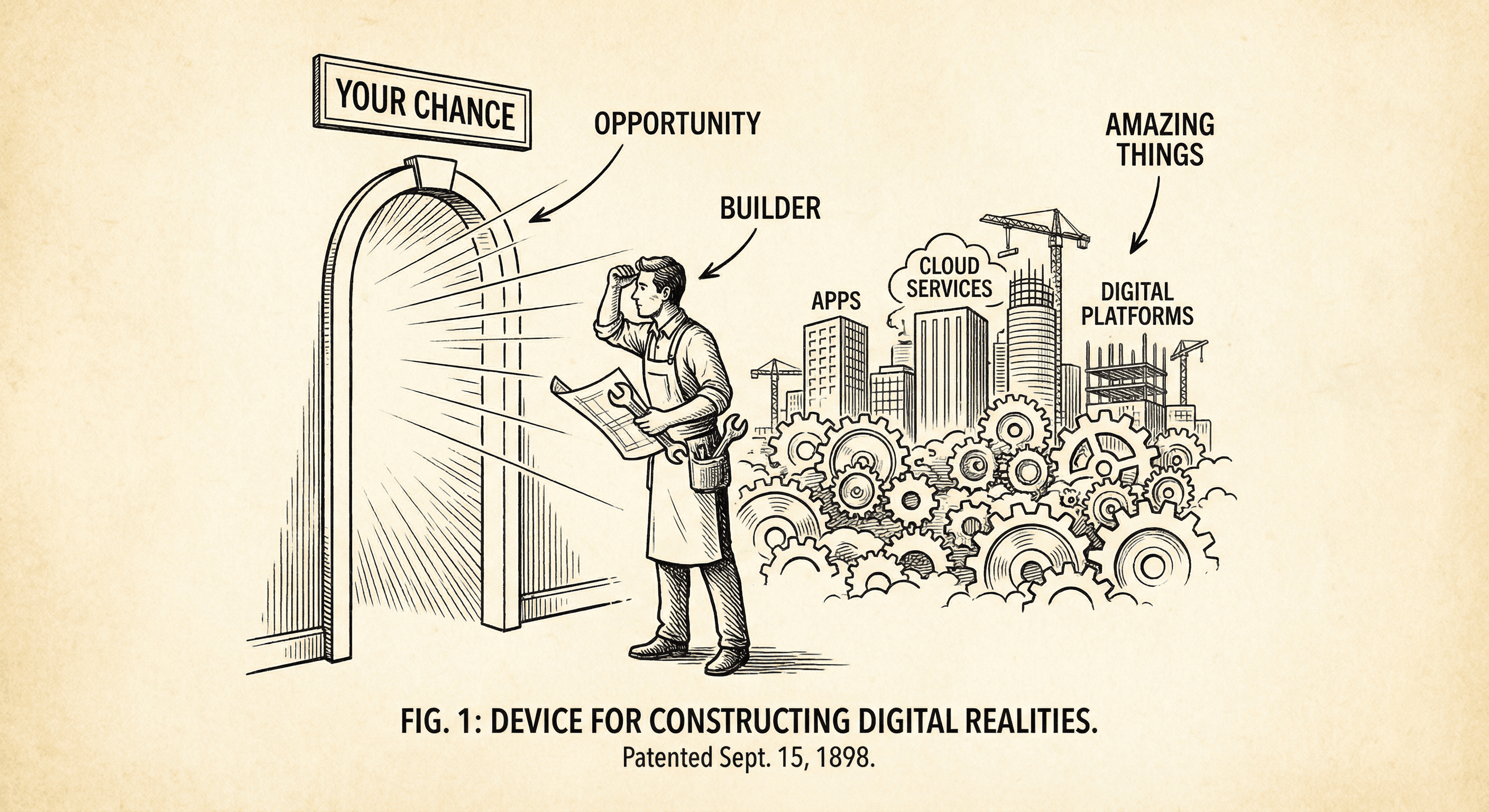
It is not too crowded. Most people will never ship. If you are willing to build, you are already in a small group. Here is why that is an opportunity, not a threat.
