Designers have the taste, the empathy, and the vision. The missing piece is often the ability to ship. Here is why building — not just designing — is the next step, and how to start.
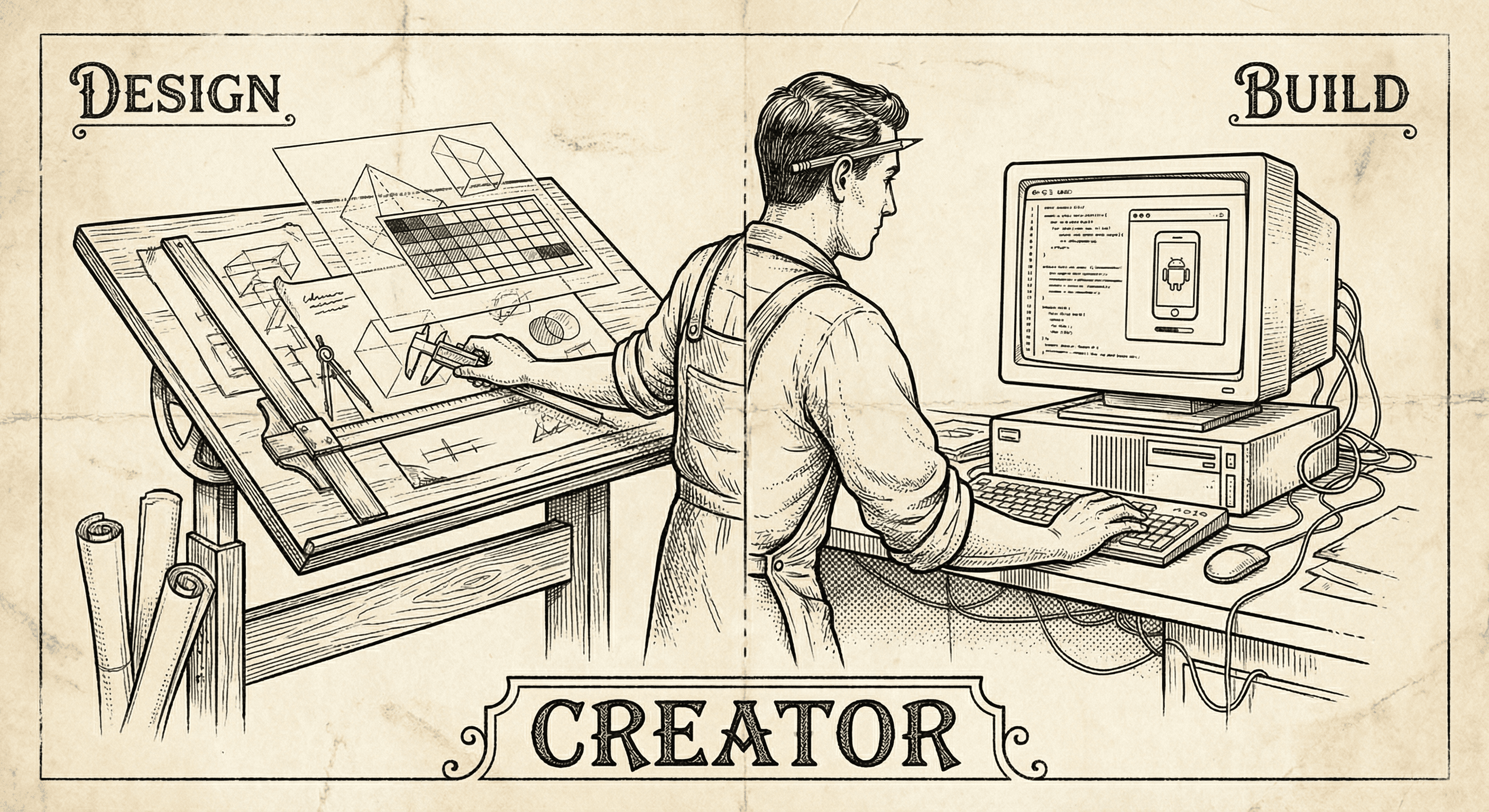
Designers already have what most products lack: taste, empathy for users, and a clear picture of what good looks like. The gap has always been between the mockup and the live product — waiting on a developer, a budget, or a client to make it real. That gap is closing. With templates, AI-assisted coding, and the right mindset, designers can stop only handing off and start shipping. Here is why every designer should consider building — and how to start.
Understanding users, defining flows, making things clear and beautiful — that is the hard part for most products. Many apps fail not because the tech is wrong but because the experience is confusing, ugly, or out of touch. Designers spend their careers developing exactly those skills. So the "design" part is not the bottleneck. The bottleneck has been "who writes the code and runs the server." That part is now more accessible than ever.
A few years ago, building usually meant learning to code from scratch or depending on a dev team. Today:
So the step from "I designed it" to "it is live" is no longer reserved for people who code full-time. Designers can own that step.
Own the full experience. When you build, you see how the thing actually behaves — loading states, errors, edge cases. You can fix what you see instead of hoping the dev team will interpret your specs correctly.
Ship your own ideas. Side projects do not have to stay in Figma. You can put them in front of real users, charge for them, or use them in your portfolio as live products, not just mockups.
Speak the same language as devs. Even a little building — enough to use a template and tweak components — makes collaboration with developers easier. You understand constraints and possibilities; you can suggest solutions, not only problems.
Future-proof your role. The line between "design" and "build" is blurring. Designers who can ship are more valuable to teams and to their own projects. You do not have to become an engineer; you have to be able to get something live.
globals.css). You are designing in code, not writing algorithms.You do not need a CS degree. You need curiosity, a template, and the willingness to push something live.
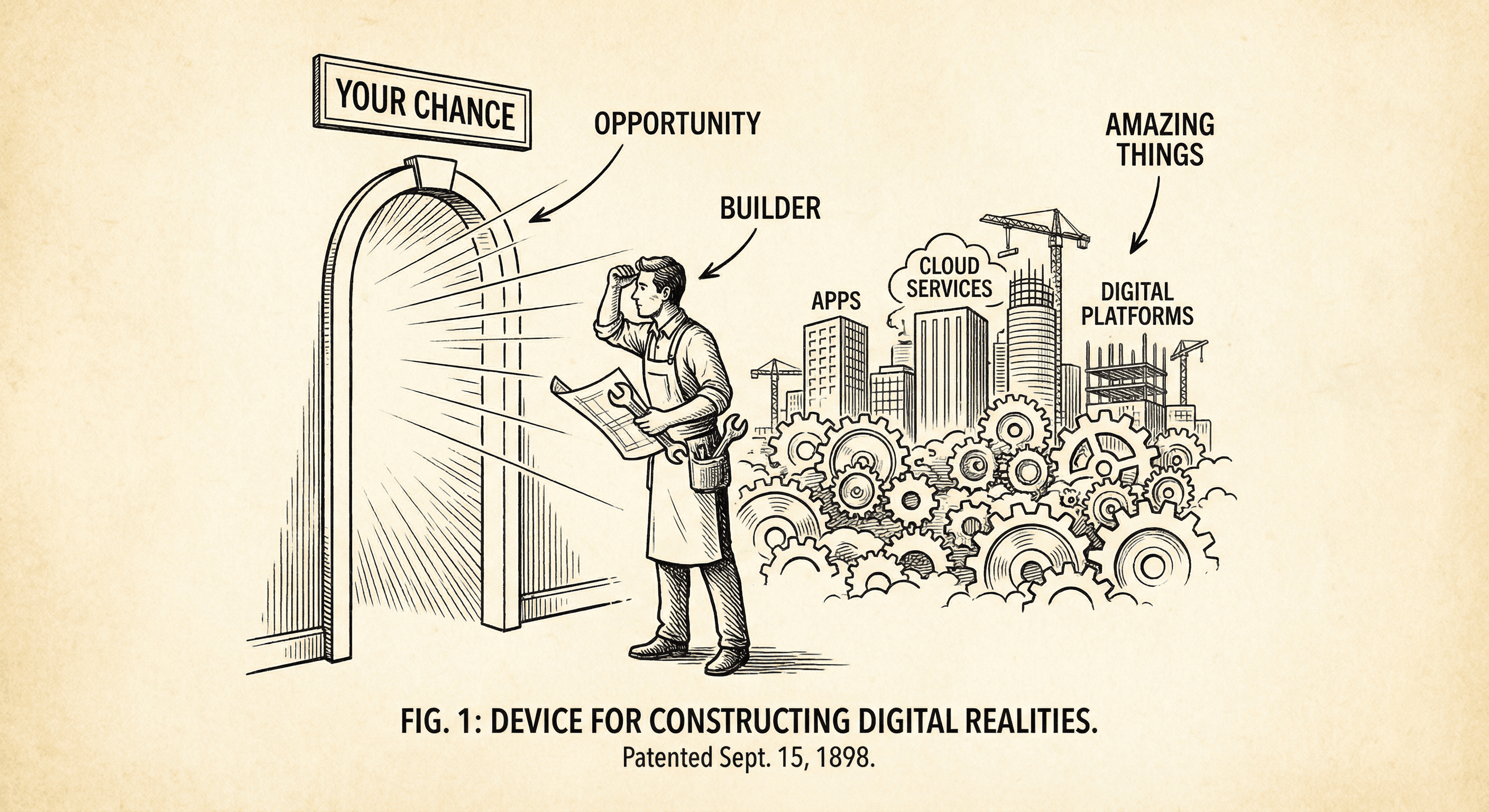
It is not too crowded. Most people will never ship. If you are willing to build, you are already in a small group. Here is why that is an opportunity, not a threat.
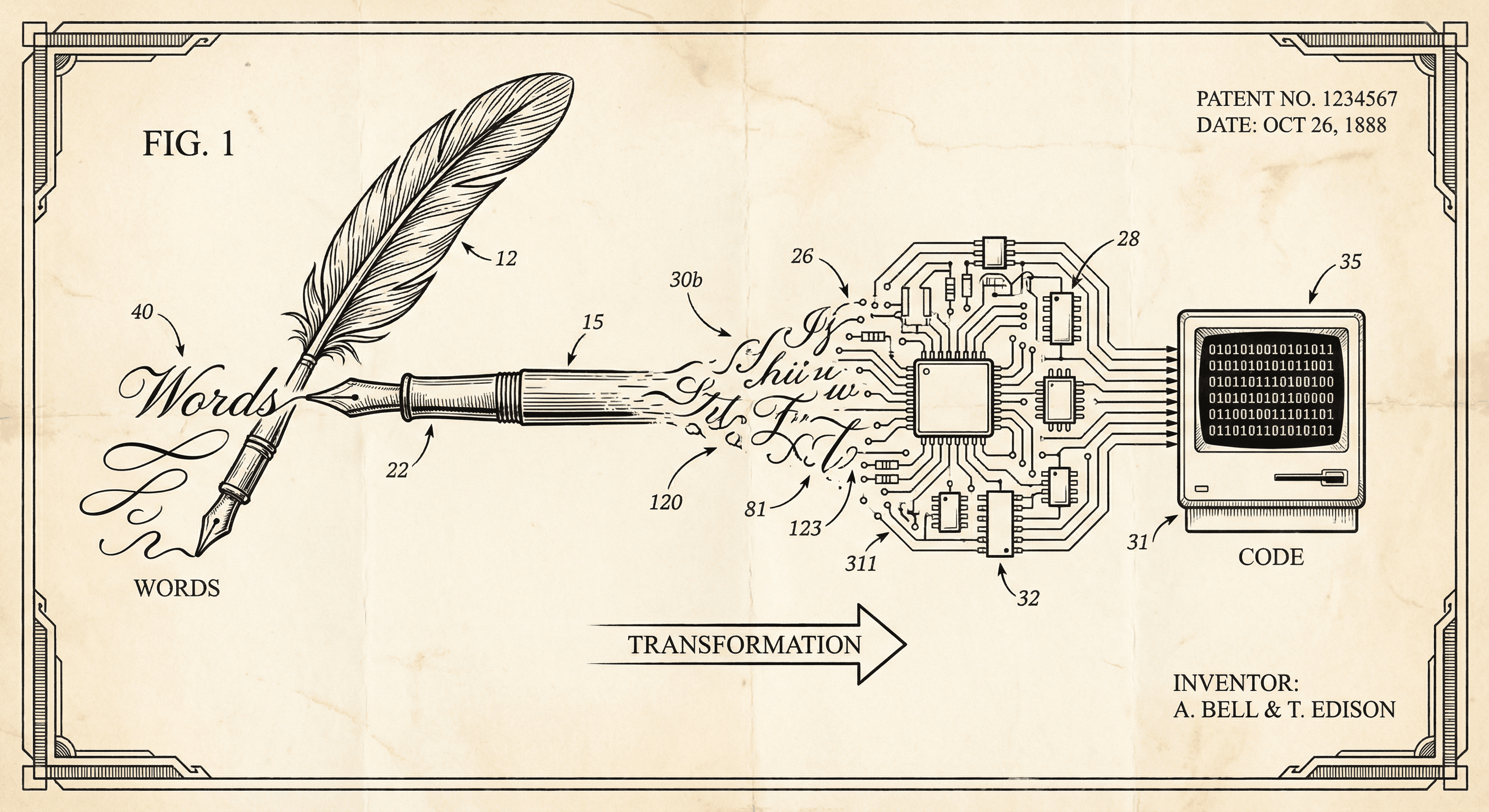
Copywriters already know how to persuade, clarify, and speak to users. Building an app is no longer only for developers. Here is how copywriters can ship real products — and why they should.
