You built something. Now someone has to find it. Practical ways to get your first users when you do not have a budget or a following — and how to learn from them.
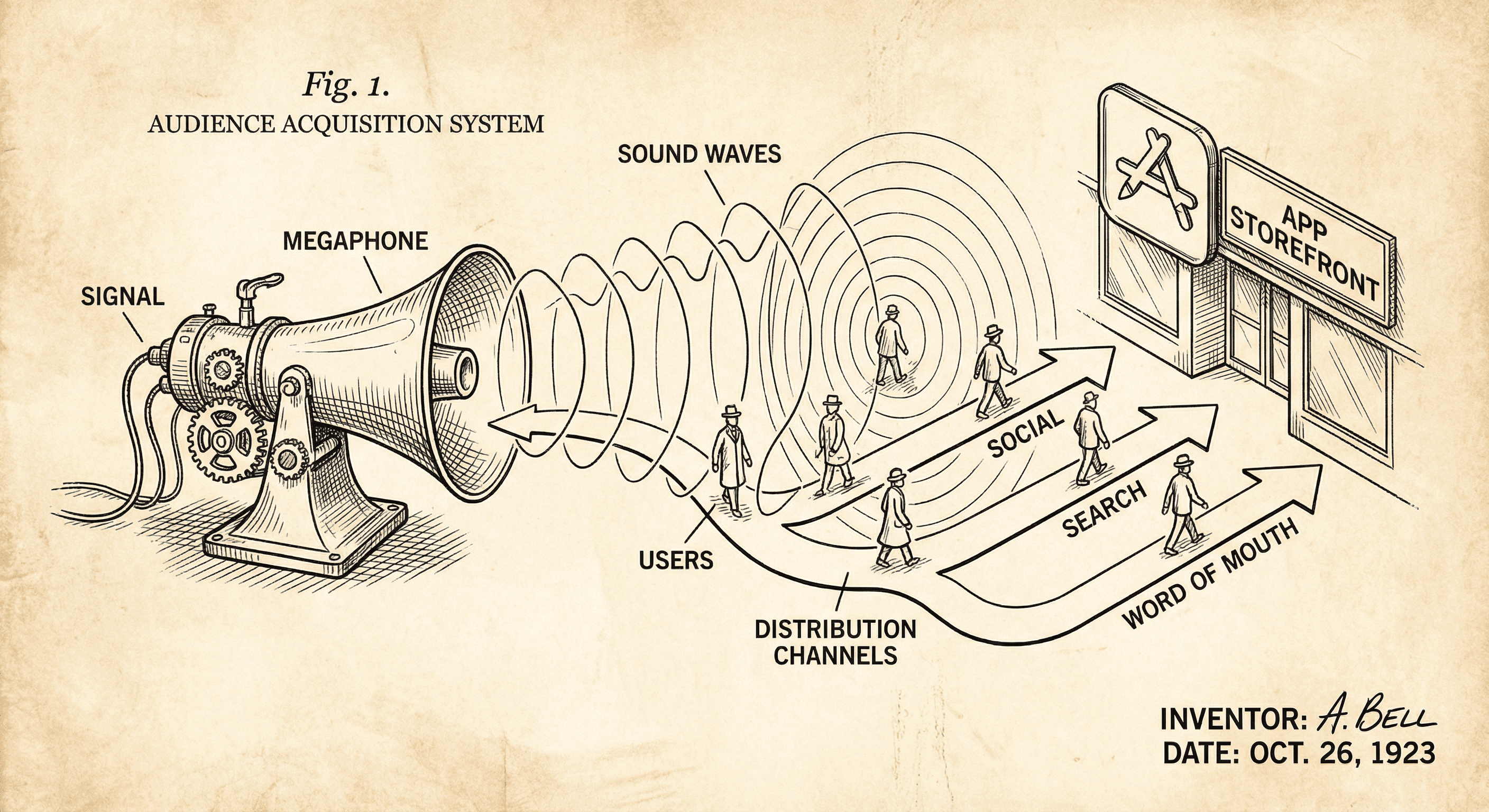
You have an app. It works. You are proud of it. But no one is using it yet — because no one knows it exists. Getting your first users is a different skill from building. For indie builders and vibe coders without a big audience or budget, it is usually slow, manual, and community-driven. This guide gives you a practical playbook.
Before you shout into the void, get specific:
Spend a bit of time listing 5–10 such places. That is your initial distribution list.
Post or comment in those communities when your product genuinely fits. Do not drop a link with no context. Share your story: "I built X because I had problem Y. Here's what I made; would love feedback from others who have the same issue." Offer value first — answer questions, share what you learned — and mention your product when it is a natural fit. Each community has its own norms; read the rules and follow them.
Share your progress as you build: what you are making, what you learned, what failed. People like following along. When you launch, you already have a small audience that knows the backstory. You do not need a huge following; a few hundred engaged people who care about your niche can be enough to get your first users and meaningful feedback.
Identify individuals who match your target user — from communities, Twitter, or your network — and reach out personally. Short message: who you are, what you built, why you think it might help them, and one clear ask (e.g., "Would you try it and tell me what's missing?"). No mass copy-paste. Personal notes get replies; blasts get ignored.
Launching on Product Hunt, Hacker News, or similar can bring a spike of traffic and signups. Treat it as one moment in time. Prepare a clear tagline, one or two screenshots or a short video, and be ready to respond to comments. Do not rely on it as your only plan; most of your early users will still come from communities and outreach.
Your goal with the first 10–20 users is learning, not vanity metrics. Ask them to try the product and tell you what broke, what was confusing, and what they wished existed. That feedback is worth more than a hundred passive signups. Make it easy to give feedback (e.g., a short form, a Calendly link, or your email).
You do not need thousands. You need enough to learn:
So your first goal is not "go viral." It is "get a small group of real users and learn from them."
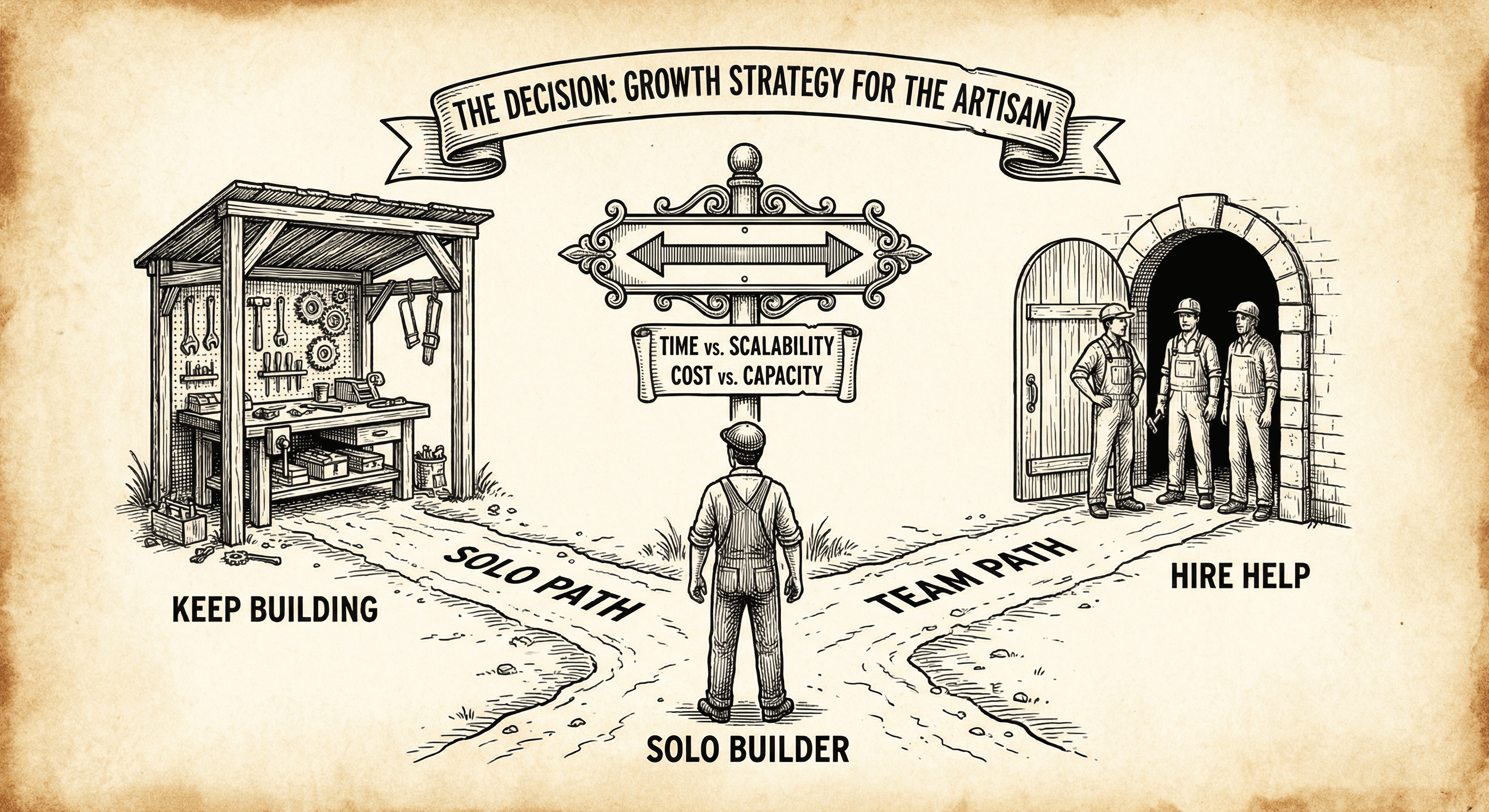
You cannot do everything forever. This guide helps you decide when to bring in a developer, designer, or other help — and when to keep building yourself.
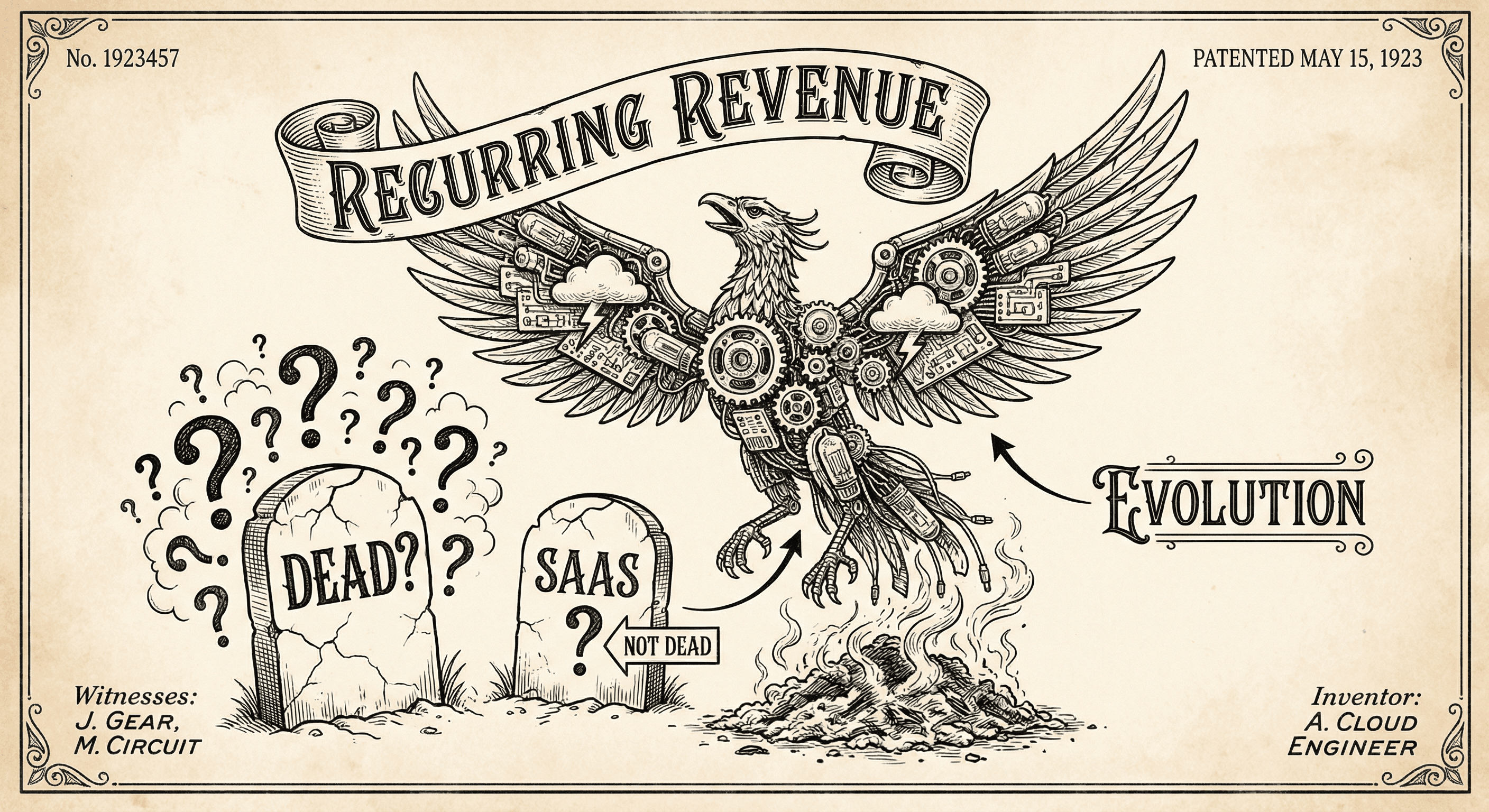
Reports of SaaS's death are exaggerated. Demand for focused, affordable software is stronger than ever — and indie builders are in a better position than ever to serve it.
